<?xml version="1.0" encoding="utf-8"?>
<feed xmlns="http://www.w3.org/2005/Atom">

  <title><![CDATA[Acko.net]]></title>
  <link href="https://acko.net/atom.xml" rel="self"/>
  <link href="https://acko.net/"/>
  <updated>2026-03-05T12:10:39+01:00</updated>
  <id>https://acko.net</id>
  <author>
    <name><![CDATA[Steven Wittens]]></name>
    
  </author>

  
  <entry>
    <title type="html"><![CDATA[Laughing to Transgress]]></title>
    <link href="https://acko.net/blog/laughing-to-transgress/"/>
    <updated>2020-06-28T00:00:00+02:00</updated>
    <id>https://acko.net/blog/laughing-to-transgress</id>
    <content type="html"><![CDATA[<div class="g8 i2 first"><div class="pad">

</div></div>

<div class="c"></div>

<p><img src="https://acko.net/files/laughing/cover.jpg" style="position: absolute; left: -5000px; top: 0;" alt="Cover Image - Chad and Virgin Laughing" /></p>

<div class="g12"><div class="pad">

<blockquote class="m2 tc">
  <em class="bigger">"A sense of humour is a reflection of a sense of proportion. It occurs when the wiser part of ourselves short-circuits a closed system of thought."</em>
  <div class="tc m1">– <a href="https://twitter.com/JohnCleese/status/1072138194618073088" target="_blank">John Cleese</a></div>
</blockquote>

</div></div>

<div class="c"></div>

<div class="g8 i2 mt1"><div>

<p class="outlined lang mt1 mb1 tc"><a href="/blog/laughing-to-transgress/"><strong>English</strong></a> - <a href="/blog/laughing-to-transgress-nl/">Nederlands</a></p>

</div></div>

<div class="g8 i2 mt1"><div class="pad">  

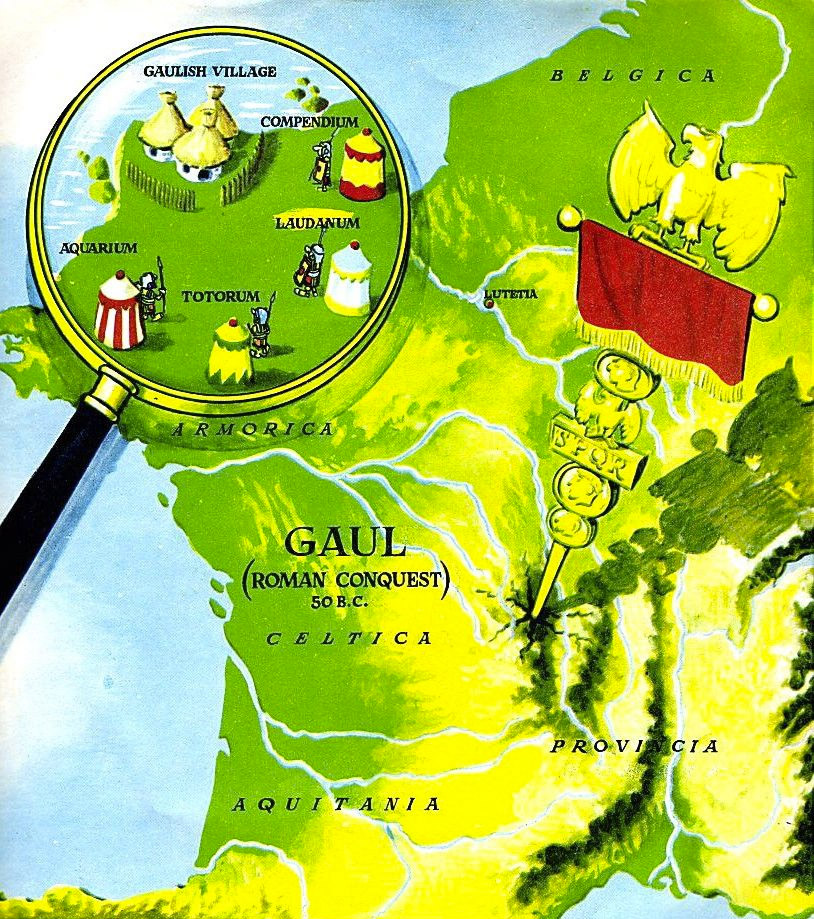
<p>When I was a kid, mocking your international neighbors was the normal thing to do in Europe. More so there were unofficial rivalries, sometimes mutual, sometimes one-way, embodying cultural and historical stereotypes.</p>

<p>The Dutch told jokes like this about us:</p>

<div class="pad">
<p>A Belgian construction worker is helping out across the border in the Netherlands, and sees a Dutchman pour coffee from his thermos.</p>
<p><i>"What's that?"</i> he asks.<br />
<i>"It's a thermos! If you put hot things in it, they stay hot. If you put cold things in it, they stay cold."<br />
"That's amazing! How much do you want for it?"<br />
"It's yours for 25 guilders."<br />
"I'll take it!"</i></p>
<p>The next day he's back in Belgium and proudly shows off his new find during lunch.</p>
<p><i>"It's a thermos! I got it from the Netherlands! If you put hot things in it, they stay hot. If you put cold things in it, they stay cold."<br />
"Wow, that's amazing! How does it know?"</i></p>
</div>

<p>In turn, we told jokes about them:</p>

<div class="pad">
<p>A bus with 50 jolly Dutch vacationers is driving down to the Spanish coast, and stops by a gas station in Belgium.</p>

<p>The driver asks the attendant: <i>"Could I get a bucket of water? My engine is having some trouble with this blistering heat!"</i></p>
<p><i>"No problem at all!"</i> He goes out back and returns with a big sloshing bucket.</p>

<p><i>"Also... do you happen to have 51 straws?"</i></p>
</div>

<p>It's not very complicated. Belgians were dumb, and the Dutch were stingy. These are actually much cleaner jokes than the ones we told, because that included:</p>

<div class="pad">
<p><i>"How many times does a Dutchman use a condom?"<br />"Three times. Once the normal way, once inside out, and the third time as chewing gum."</i></p>
</div>

<p>(This was still in primary school, by the way.)</p>

<p>But this joke has a karmic reverse:</p>

<div class="pad">
<p><i>"How many times does a Belgian laugh at a joke?"<br />"Three times. Once when you tell it, once when you explain it, and the third time when he gets it."</i></p>
</div>

</div></div>

<div class="g10 i1 mt2"><div class="pad">
  <img src="https://acko.net/files/laughing/asterix-map-2.jpg" alt="Asterix and Obélix - Map of Gaul" title="&quot;Gallia est omnis divisa in partes tres.&quot;
– Gaius Julius Caesar" />
</div></div>

<div class="c"></div>

<div class="g8 i2"><div class="pad">

<h2 class="mt3">Europa Universalis</h2>

<p>A casual search will show that the basic jokes about nationality are so scripted, that you can pretty much substitute any country for any other, and arrive at a joke that has been told some place some time. Like this classic train tunnel joke:</p>

<div class="pad">
<p>A nun, an attractive blonde, a German and a Dutchman are sitting in a train compartment. The train enters a tunnel, it's completely dark, and suddenly there's a slap. When the train comes out of the tunnel, the German is rubbing his face in pain.</p>

<p>The nun's thinking: <i>"The German man probably touched the blonde woman and she slapped him, and rightfully so."</i></p>

<p>The blonde's thinking: <i>"That German pervert probably tried to grope me, but got the nun instead, and she slapped him. Good."</i></p>

<p>The German thinks: <i>"The Dutchman obviously copped a feel on that blonde woman, and she hit me instead of him. That bastard!"</i></p>

<p>The Dutchman thinks: <i>"Next tunnel, I'm gonna slap that German fucker&nbsp;again!"</i></p>
</div>

<p>The nationalities are close neighbors, and that means there's some sort of stereotypical, historical beef. When you change the countries, the joke's meaning can flip, depending on what your preconceptions are.</p>

<p>For example, when the Dutchman is the aggressor, it could be assumed he is seeking some kind of <i>payback</i> for Germany's aggression against the Netherlands. If you tell the version where a German slaps a Dutchman, he might personify <i>unprovoked</i> German aggression. The main reason the joke gets told with nationalities is the same reason it's a nun and an attractive blonde: it adds necessary color to the situation, so the characters (and the audience) can draw all sorts of wrong conclusions instantly.</p>

<p>It is implied that the nationalities are relevant, but never actually stated. It's misdirection to draw you in. The real punchline is that complicated explanations for simple acts of violence are not necessary. A joke about nationalist aggression can instead let you recognize universal themes, through its 4 contradictory perspectives, which bleed into a host of other sensitive topics.</p>

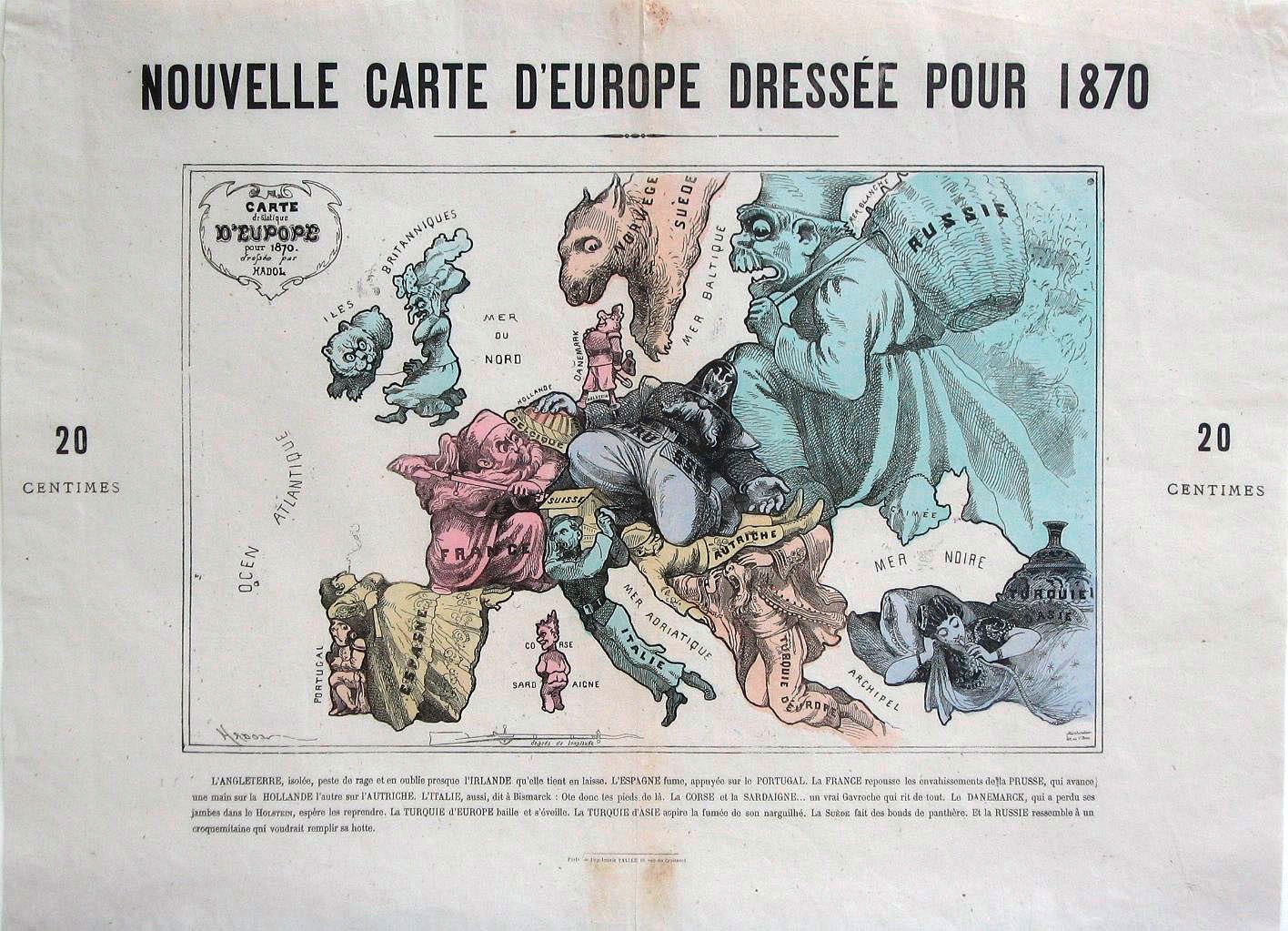
<p>It's important to know the Europe in which such jokes were routinely told was a very different place. The hint is in the "25 guilders" at the start. We didn't always have the Euro, a Customs Union, Schengen-zone visas, and fancy electric trains that connect it all. You only needed to drive a few hours in any direction to arrive at a place where you needed permission to get in, probably didn't speak the language, couldn't tell how much things cost, didn't know the local laws, and couldn't interact with the authorities. Also, these were the same people whose ancestors murdered your ancestors for the last few centuries, but they <i>seemed</i> okay now?</p>

<p>A natural response to having this right on your doorstep was to trivialize and make fun of it. And pretend it was all far away. As if to say: we're all going to be characters in a drama none of us really had any say in, so we may as well have fun with it. Some of these jokes do capture an immense amount of historical and cultural context, for example:</p>

<div class="pad">
<p>Heaven is where the police are British, the cooks are French, the mechanics German, the lovers Italian and it's all organized by the Swiss.</p>

<p>Hell is where the chefs are British, the mechanics French, the lovers Swiss, the police German and it's all organized by the Italians.</p>
</div>

<p>That's a condensed roast of about 150 million people covering at least a century, give or take. Those who crack such jokes don't do so in malice. When the odd Mysterious Stranger actually walked into our town, most of us would be pretty curious and friendly to them. You also wouldn't tell such a joke in front of them, unless you were on <i>good</i> terms (or <i>really bad</i> terms), and had already dropped much of the pretense. The main audience for this was our own tribe, and the goal was to relieve our collective anxiety and fear of the unknown. Letting people in on your jokes about them meant letting them hear something intimate.</p>

<p>In the case of the Belgians and the Dutch, it's right there in the punchlines. Our worry was e.g. that they'd outcompete us with their business acumen. Their worry was e.g. that they'd fail to win against people they considered backwards.</p>

<p>These are universal themes.</p>

</div></div>

<div class="c"></div>

<div class="wide mt2"><div class="pad">
  <a href="https://journals.openedition.org/belgeo/11935">
    <img src="https://acko.net/files/laughing/europa-3.jpg" alt="Paul Hadol, Nouvelle Carte d’Europe dressée pour 1870, Paris, France, 1870." />
  </a>
</div></div>

<div class="c"></div>

<div class="g8 i2"><div class="pad">

<h2 class="mt3">Speak Easy</h2>

<p>Getting to hear people speak in an unfiltered manner, humorously or not, is an incredibly valuable thing. And I mean for reasons other than quote mining what they said and making them look bad.</p>

<p>One time, I was over at a house of recent friends who didn't yet know I was gay. They were cracking jokes about <i>their</i> gay housemate. The guy apparently used an enormous amount of toilet paper on the regular, which they were attempting to explain by pointing to his assumed sexual activities through the back door. I didn't say anything, certainly didn't want to "come out" then and there. I just laughed along and the moment passed.</p>

<p>There's a certain perspective today that says this was unambiguously homophobic. That such humor is bigoted and degrading to the dignity of the target demographic. That we need to stamp such material with appropriate content warnings, and that those who say it freely should apologize and do penance. That it is not only appropriate but a moral duty to intervene (and conveniently make it all about me in the process).</p>

<p>I for one knew these guys were cracking jokes exactly because they didn't dare bring it up with the person in question. Asking about someone else's toilet issues is not exactly casual small talk. Once you connect humor with taboos, it's really no coincidence that potty humor is a thing. </p>

<p>I also think that if they had known I was gay, they wouldn't have joked around, or been embarrassed after, and then it would have been a Big Thing. The way it went, a concern about a person they shared a house with could be brought up and made legible. I joined the "one of the guys" dynamic, by understanding its rules, context and intent. I can get the same effect now just by saying something funny and insensitive about gay people behind closed doors, to show that it's not a personal landmine at all.</p>

<p>It's also entirely in line with existing LGBT culture. Drag queens in particular have used sass and mockery as a shield, but no mockery is complete without self-mockery. The Adventures of Priscilla: Queen of the Desert (1994) showed everyone how it's&nbsp;done:</p>

</div></div>

<div class="g12 mt2"><div class="pad"><div style="position: relative; width: 100%; padding-bottom: 66%;">
  <iframe style="position: absolute; top: 0; left: 0; right: 0; bottom: 0; width: 100%; height: 100%;" src="https://www.youtube.com/embed/OroiRWIR2gQ" frameborder="0" allowfullscreen="allowfullscreen"></iframe>
</div></div></div>

<div class="c"></div>

<div class="g8 i2 mt2"><div class="pad">

<p>The John Cleese quote about a wiser part short circuiting a closed system of thought sounds dead-on to me.</p>

<p>It also reinforces that humor is entirely contextual, because its goal is to dance on the edge of what is actually permissible to say and think. Whatever the current taboos are, whatever's currently the most closed-minded, that's what comedy is most attracted to.</p>

<p>For a great illustration of this, consider two scenes, two years apart. First, the opening to 1999's American Pie:</p>

</div></div>

<div class="g12 mt2"><div class="pad"><div style="position: relative; width: 100%; padding-bottom: 66%;">
  <iframe style="position: absolute; top: 0; left: 0; right: 0; bottom: 0; width: 100%; height: 100%;" src="https://www.youtube.com/embed/aX8sn5kyrSI" frameborder="0" allowfullscreen="allowfullscreen"></iframe>
</div></div></div>

<div class="c"></div>

<div class="g8 i2 mt2"><div class="pad">

<p>The lead character is caught jerking off to illegal TV porn by his conservative parents, and the scene is played mostly straight. Situated in its own time as a mainstream American movie, this was pretty raunchy, and reflected common Christian taboos around teenage sex. Particularly when you factor in the titular American Pie which also ends up losing its virginity. A moment so memorable, <a href="https://www.nytimes.com/2019/07/09/movies/american-pie.html" target="_blank">NYT dedicated a piece to it</a> 20 years later. If anyone was offended by this at the time, it was people who resembled the parents and found it difficult to think or talk about sex without&nbsp;blushing.</p>

<p>These days though, the people who consider this movie offensive would come from the politically opposite side of the spectrum. Reasons cited include the sexism, the gay jokes, and so on. If you believe the press there's loads of detractors now, but really I think they just wanted an excuse to post a video of a young man pretending to fuck apple pie for the clicks.</p>

<p>What's more interesting is how this scene was itself parodied in 2001's Not Another Teen Movie. There's a lot to say about that film, because it's a meticulous fusion of 1980s and 1990s teenage movie tropes. It takes itself not seriously by taking the source material very seriously, with stellar performances. The opening is a direct homage to American Pie, which turns everything about that scene to 11, and exaggerates beyond proportion:</p>

</div></div>

<div class="g12 mt2"><div class="pad"><div style="position: relative; width: 100%; padding-bottom: 66%;">
  <iframe style="position: absolute; top: 0; left: 0; right: 0; bottom: 0; width: 100%; height: 100%;" src="https://www.youtube.com/embed/7IyEcSJzJV8" frameborder="0" allowfullscreen="allowfullscreen"></iframe>
</div></div></div>

<div class="c"></div>

<div class="g8 i2 mt2"><div class="pad">

<p>It makes perfect sense when you consider what the common objection was at the time: on-screen teenage sexuality and an acknowledgement of taboo hormonal urges. Instead of a shy nerdy guy with a sock, we have a fearless girl with a comically large pink vibrator. Everyone walks in on it, even grandma and the local pastor. It ends with a whipped cream bukkake, cue the opening titles. The rest of the movie continues this line of subverting source material while throwing in a heavy dose of potty, sex and other gags. It only misses the mark a few times, really, like when it tries to stretch a Token Black Character joke for the entire movie.</p>

<p>If you thought the butt of this was women, or LGBTs, or black people, you'd be missing the point entirely. It was a middle finger aimed at puritan scolds who also spent their time <a href="https://www.youtube.com/watch?v=PKzF173GqTU" target="_blank">chastizing alien sideboob</a> in video games they had never even played.</p>

<p>Most importantly, audiences thought it was genuinely hilarious.</p>

</div></div>

<div class="c"></div>

<div class="g8 i2"><div class="pad">

<h2 class="mt3">The Humorton Window</h2>

<p>I've mostly stuck to examples that feel dated now, and in the first case, downright provincial.</p>

<p>Jokes about national rivalry have diminished, for the simple reason that the unknown has diminished. After opening European borders, and harmonizing the economic and legal systems, we have a legible continent where countries can easily and freely compare notes. We don't need to joke about who would run things best anymore, we can just go look at the COVID numbers.</p>

<p>When you still encounter this sort of national humor, it's more in the context of April Fools or "shitposting", like the pair of dueling memes:</p>

<div class="pad"><i>
<p><code>G E K O L O N I Z E E R D</code> (Colonized)<br />
<code>G E F E D E R A L I Z E E R D</code> (Federalized)</p>
</i></div>

<p>Usually posted by respectively a Dutchman or a Belgian, referring to Dutch imperialism and Belgian bureaucracy respectively, to signify that one demographic seems particularly dominant in a thread or space. It is only properly used when ironic, otherwise it is simply tiresome.jpg.</p>

<p>Sexual humor has also reduced in relevance, because the internet offers unlimited access to both pornography and genuine sex-ed, removing all the basic taboos around it. Rather than a bunch of confused college dudes wondering exactly how gay sex works, you now have guys who tried watching some of it, didn't get aroused by it, and simply moved on.</p>

<p>There are shifting windows of what it is a) acceptable and b) popular to laugh at. There's also a saying, "To learn who rules over you, simply find out who you are not allowed to criticize." This counts doubly so for "or joke about."</p>

<p>This is commonly and falsely attributed to Voltaire but oddly enough appears to originate from a 1993 essay by an actual, genuine, bona fide <a href="https://en.wikipedia.org/wiki/Kevin_Alfred_Strom" target="_blank">white nationalist</a>. TIL.</p>

<p>The question of who said it is of course irrelevant, the question is whether it is true or not. A common refutation is that it is disallowed to mock e.g. the mentally disabled, who clearly do not rule over others. But that's a cop out, because doing so lures out those who do have power to punish people for it, namely all sorts of organizations that ostensibly advance the rights of particular groups.</p>

<p>The problem with this system is that it is driven by attention, not by effectiveness. This is described perfectly in the essay <a href="https://archive.vn/JfPI6" target="_blank">The Toxoplasma of Rage</a>, written by recently unmasked blogger Scott Alexander Ocasio-Cortez. When the actions that are rewarded are those that get the most attention, this tends to amplify rather than reduce tensions between different interest groups, by breeding more resentment.</p>

<p>It also tends to confuse the people who already have means and access with those with need of it. As an example of this dynamic, there was a story here a few years ago: an elderly Jewish woman in distress had called a stand-by nurse (iirc). Upon learning that she was Jewish, the nurse scolded her for the collective sins of Israel against Palestine and was rude and unhelpful. I know about this because the next day it was in every major newspaper, after being highlighted by a Jewish interest organization.</p>

<p>The outcome would be very different if e.g. someone was mistreated because they were homeless or a drug addict. It would be pretty much impossible for someone like that to get any serious restitution or acknowledgement here. Whether you call that being in charge or not, it represents two vastly different tiers of access and service, differentiated purely by whom you are not allowed to generalize against.</p>

<p>Another common refutation of not-Voltaire is the success of comedians like Dave Chappelle or Bill Burr, who both brought new material highly critical of cancel culture and organized "alphabet people" (LGBTQIAA2+). They invited prophesied professional and personal doom, but came out more popular than ever. Ricky Gervais' semi-annual Golden Globes speeches are in a similar vein, with the recurring gag that he'll never be invited again, as he roasts some of the wealthiest people to their faces:</p>

</div></div>

<div class="g12 mt2"><div class="pad"><div style="position: relative; width: 100%; padding-bottom: 66%;">
  <iframe style="position: absolute; top: 0; left: 0; right: 0; bottom: 0; width: 100%; height: 100%;" src="https://www.youtube.com/embed/sR6UeVptzRg" frameborder="0" allowfullscreen="allowfullscreen"></iframe>
</div></div></div>

<div class="c"></div>

<div class="g8 i2 mt2"><div class="pad">

<p>Many correctly point out that none of the comedians' careers or lifestyles are in danger. They are multi-millionaires with successful projects under their belts. That is of course why they get to do it. When people who don't have "fuck you money" or big brass balls crack jokes like that, they make themselves a target, and those with means and motive go in for the kill. The saying is of course "find out who rules over <i>you</i>," not over <i>them</i>.</p>

<img src="https://acko.net/files/laughing/spock.jpg" alt="Spock" class="mt2 mb2" />

<p>I find this <i>fascinating</i> because it reveals humor as a sort of "Romulan Neutral Zone" on the edge of the usual political Overton Window. This larger zone covers not just what is acceptable, but also what is currently contested. The jokes are the ammo, but the armor is self-confidence derived from skill and success. Comedians play this game on Nightmare difficulty every show night.</p>

<p>This zone consists of ideas which humor is effective at working its magic on. It alters or refutes our worldview with condensed bursts of hidden wisdom or absurdity. But they must be within our grasp to untangle. Humor's range is subject to its own constraints, such as <i>"Too Soon", "That's NOT Funny", "I'm Going To Hell For Laughing"</i> and <i>"I Don't Get It"</i>. These are completely subjective limits, which are negotiated and renegotiated between the joke tellers and their audience. If you don't believe me, take the joke about the 51 straws, and replace <i>"Dutch"</i> with <i>"Jewish"</i>.</p>

<p>But if you think that means the Jews rule over you, you're refusing to see how these things actually work. What actually rules over <i>you</i> is people's chronic and miscalibrated fear that you might not be kidding, which occurs in highly variable degrees. This might also be a good explanation for the common saying that if you want to tell people something they don't want to hear, you need to make them laugh, or they'll kill you for saying it. Good humor is a successful mental defense against thinking that is too rigid and dogmatic.</p>

<p>The case of Mark Meechan is highly illustrative. This is the Scot who was convicted of "grossly offensive behavior" for teaching his pug-dog to do a Nazi salute, upon hearing <i>"Gas the Jews"</i>. He has always claimed he did it purely to annoy his girlfriend. "Justice" in this case includes a court ruling that "context and intent" are officially irrelevant to the matter, an absolute bombshell in legal precedent. But that's not the most absurd part. It's the BBC documentary on the issue afterwards, in which one of the detractors jokingly asks his own cat if it too wants to <i>"Gas the Jews,"</i> before concluding no. By the logic of a British court, he is guilty of the same kind of punishable offense, and the video is the only proof necessary.</p>

</div></div>

<div class="g12 mt2"><div class="pad"><div style="position: relative; width: 100%; padding-bottom: 66%;">
  <iframe style="position: absolute; top: 0; left: 0; right: 0; bottom: 0; width: 100%; height: 100%;" src="https://www.youtube.com/embed/mDBkhICKU9I?start=145" frameborder="0" allowfullscreen="allowfullscreen"></iframe>
</div></div></div>

<div class="c"></div>

<div class="g8 i2 mt2"><div class="pad">

<p>They looked at a person whose only crime was to make jokes they found offensive, and they thought this made him a credible threat to their entire way of life. In their panicked response, they actually started destroying one of the fundamental foundations of that way of life. They haven't stopped yet.</p>

<p>It's a joke, but the penny has yet to drop. </p>

</div></div>

<div class="c"></div>

<div class="g8 i2"><div class="pad">
  
<p class="mt2 mb2 tc">* * *</p>

<p>Humor seems to be far from just a random evolutionary quirk, or a meaningless pass-time. It is a fundamental mechanism that we individually and collectively use to sanity check ourselves. Humor highlights the boundaries of where we might be wrong, and it helps us cut through hangups and taboo.</p>

<p>It seems to happen when a joke activates surprising and contradictory signals, all at the same time. If we can successfully resolve them using our larger understanding of the world, we can acknowledge something new and true. This also implies that when humor-police shows up, they are a symptom of a collective lack of understanding and of unacknowledged taboos.</p>

<p>When we ban fun and mockery, we ban challenging insights, and we do so at our own&nbsp;peril.</p>

</div></div>

<div class="c"></div>

<div class="c mt3"></div>

<p><img src="https://acko.net/files/laughing/cover.jpg" style="position: absolute; left: -5000px; top: 0;" alt="Cover Image - Chad and Virgin Laughing" /></p>
]]></content>
  </entry>
  
  <entry>
    <title type="html"><![CDATA[Lachen om te Zondigen]]></title>
    <link href="https://acko.net/blog/laughing-to-transgress-nl/"/>
    <updated>2020-06-28T00:00:00+02:00</updated>
    <id>https://acko.net/blog/laughing-to-transgress-nl</id>
    <content type="html"><![CDATA[<div class="g8 i2 first"><div class="pad">

</div></div>

<div class="c"></div>

<p><img src="https://acko.net/files/laughing/cover.jpg" style="position: absolute; left: -5000px; top: 0;" alt="Cover Image - Chad and Virgin Laughing" /></p>

<div class="g12"><div class="pad">

<blockquote class="m2 tc">
  <em class="bigger">"Een gevoel voor humor weerspiegelt een gevoel van verhouding. Het schiet in actie wanneer een verstandiger deel van ons een gesloten gedachtengoed kortsluit."</em>
  <div class="tc m1">– <a href="https://twitter.com/JohnCleese/status/1072138194618073088" target="_blank">John Cleese</a></div>
</blockquote>

</div></div>

<div class="c"></div>

<div class="g8 i2 mt1"><div>

<p class="outlined lang mt1 mb1 tc"><a href="/blog/laughing-to-transgress/">English</a> - <a href="/blog/laughing-to-transgress-nl/"><strong>Nederlands</strong></a></p>

</div></div>

<div class="g8 i2 mt1"><div class="pad">  

<p>Toen ik klein was, was het de gewoonste zaak in Europa om te lachen met onze internationale buren. We waren onofficiële rivalen, soms wederzijds, soms enkel richting, volgens de culturele en historische stereotypes van die tijd.</p>

<p>De 'Hollanders' grapten over ons:</p>

<div class="pad">
<p>Een Belgische bouwvakker helpt mee over de grens in Nederland, en ziet een Nederlander koffie schenken uit zijn thermoskan.</p>
<p><i>"Wat is dat?"</i> vraagt hij.<br />
<i>"Dat is een thermos! Als je er iets warm in giet, blijft het warm. Als je er iets koud in giet, blijft het koud."</i><br />
<i>"Geniaal! Hoeveel wilt ge ervoor?"</i><br />
<i>"Je mag 'em hebben voor 25 gulden."</i><br />
<i>"Verkocht!"</i></p>
<p>De volgende dag werkt hij weer in België en toont hij trots zijn nieuwe vondst aan zijn collega's.</p>
<p><i>"Dat is nen thermos! Als ge er iets warm in giet, blijft het warm. Als ge er iets koud in giet, blijft het koud."<br />"Wauw! En hoe weet dat ding dat?"</i></p>
</div>

<p>Wij tapten natuurlijk ook mopjes over hen:</p>

<div class="pad">
<p>Een bus met 50 Nederlandse vakantiegangers rijdt naar de Costa del Sol en stopt aan een tankstation in België.</p>

<p>De chauffeur vraagt aan de bediende: <i>"Kan ik soms een emmer water krijgen? Mijn motor kan niet goed tegen deze hitte!"</i></p>

<p><i>"Geen probleem!"</i> Hij verdwijnt en keert terug met een grote klotsende emmer.</p>

<p><i>"En euh... heb je soms 51 rietjes?"</i></p>
</div>

<p>Omdat Belgen (lees: Vlamingen) dom waren, en Nederlanders gierig. Dit zijn eigelijk veel properdere moppen dan die van ons, zoals:</p>

<div class="pad">
<p><i>"Hoeveel keer gebruikt een Nederlander een condoom?"<br />"Drie keer. Eén keer gewoon, één keer binnenstebuiten, en de derde keer als kauwgom."</i></p>
</div>

<p>(Dit was nog in de basisschool, FYI)</p>

<p>Maar de grap heeft een karmische omkering:</p>

<div class="pad">
<p><i>"Hoeveel keer lacht een Belg met een mop?"<br />"Drie keer. Eén keer als je ze vertelt, één keer als je ze uitlegt, en de derde keer wanneer hij ze snapt."</i></p>
</div>

</div></div>

<div class="g10 i1 mt2"><div class="pad">
  <img src="https://acko.net/files/laughing/asterix-map-2.jpg" alt="Asterix and Obélix - Map of Gaul" title="&quot;Gallia est omnis divisa in partes tres.&quot;
– Gaius Julius Caesar" />
</div></div>

<div class="c"></div>

<div class="g8 i2"><div class="pad">

<h2 class="mt3">Europa Universalis</h2>

<p>Wie even googlet ontdekt snel dat de basismoppen over nationaliteit extreem pro forma zijn. Je kan grotendeels gewoon de landen omwisselen of veranderen, om zo een andere mop te krijgen die ooit ook wel eens verteld werd. Zoals deze klassieke mop over de treintunnel:</p>

<div class="pad">
<p>Een non, een mooie blonde dame, een Duitser en een Nederlander zitten samen in een treincompartiment. De trein rijdt een tunnel in, het is pikdonker, en plots is er een klap. Wanneer de trein terug het licht in rijdt, wrijft de Duitser met pijn in zijn gezicht.</p>

<p>De non denkt: <i>"Die Duitser heeft waarschijnlijk de dame aangeraakt, en ze heeft hem correct op de vingers getikt."</i></p>

<p>De dame denkt: <i>"Die Duitse vetzak heeft mij proberen aan te randen, maar zat per ongeluk bij de non. Goed dat ze hem een mep heeft gegeven."</i></p>

<p>De Duitser denkt: <i>"Die Nederlander heeft waarschijnlijk zijn handen niet kunnen thuis houden, maar die blonde dacht dat ik het was! De klootzak!"</i></p>

<p>De Nederlander denkt: <i>"De volgende tunnel geef ik die vuile Duitser weer een mep!"</i></p>
</div>

<p>De landen zijn nabije buren, dus is er altijd wel één of andere stereotiepe, historische ruzie. Als je de landen verandert, kan de mop ook omslaan, naargelang wat je vooroordelen zijn.</p>

<p>Als de Nederlander agressief is, dan zou je kunnen denken dat het <i>wraak</i> is voor de Duitse agressie tegenover Nederland. Als je een versie vertelt waarbij de Duitser de Nederlander slaat, dan zou dat misschien <i>unilaterale</i> Duitse agressie kunnen voorstellen. De reden waarom de mop met nationaliteiten verteld wordt is ook waarom het om een non en een mooie blonde dame gaat: het voegt de nodige kleur toe, zodat de personages (en het publiek) meteen allerlei verkeerde conclusies kunnen trekken.</p>

<p>Je denkt dat de nationaliteiten belangrijk zijn, maar dat wordt eigelijk nooit gezegd. Het misleidt je, zodat je mee kan volgen. De echte clou is dat je geen ingewikkelde uitleg nodig hebt voor een regelrechte aanval. Een mop over nationale agressie kan universele thema's blootstellen, met 4 tegenstrijdige perspectieven, die ook allerlei andere gevoelige snaren aanraken.</p>

<p>Je moet natuurlijk wel rekening houden dat het Europa waarin zulke moppen vaak verteld werden helemaal anders was dan vandaag. De hint zit in de "25 gulden" in de eerste mop. Dit was vóór de Euro, voor de douane-unie, de Schengen zone, en moderne elektrische treinen om het allemaal netjes mee te verbinden. Je moest gewoon enkele uren in eender welke richting rijden om een plaats te vinden waar je toestemming nodig had om binnen te komen, waar je de taal niet sprak, niet wist hoeveel zaken kostten, de plaatselijke wetten niet kende, en niet op gelijk niveau kon omgaan met de instanties. Dit waren ook dezelfde mensen wiens voorouders jouw voorouders enkele eeuwen lang hadden zitten uitmoorden... maar ze leken nu toch wel grotendeels ok?</p>

<p>Als je in zulk een situatie leeft, dan is het perfect normaal om het allemaal te trivialiseren en er moppen over te tappen. Doen alsof het allemaal een ver-van-mijn-bed-show is. Om te zeggen: als we toch allemaal personages gaan zijn in een drama waar niemand van ons eigelijk veel in te zeggen heeft, laat ons er dan maar wat lol mee hebben. Sommige van deze moppen bevatten natuurlijk wel een enorme hoeveelheid historische en culturele context, bijvoorbeeld:</p>

<div class="pad">
<p>In de hemel zijn de flikken Brits, de chef-koks Frans, de mecaniciens Duits, de minnaars Italiaans, en dit alles georganiseerd door de Zwitsers.</p>

<p>In de hel zijn de chef-koks Brits, de mecaniciens Frans, de minnaars Zwitsers, de flikken Duits, en dit alles georganiseerd door de Italianen.</p>
</div>

<p>Dat is een gepeperde samenvatting van ongeveer 150 miljoen mensen over een periode van op z'n minst een eeuw. Wie zulke moppen vertelde deed dat niet uit haat. Wanneer een Mysterieuze Vreemdeling effectief ons dorpje binnenkwam, dan waren de meesten vooral heel nieuwsgierig en vriendelijk. Je deelde ze ook niet tenzij je al goed overeenkwam (of net absoluut niét), en je de pretentie dus achterwege kon laten. De doelgroep was vooral onze eigen stam, en het doel was net om de collectieve onrust en angst van het vreemde in te perken. Als je iemand een mop over hen vertelt, geef je iets heel intiem bloot.</p>

<p>Bij de Belgen en de Nederlanders moet je niet ver gaan zoeken. Onze angst was dat ze ons zouden wegconcurreren met hun superieure kennis van zaken. Hun angst was dat ze zouden verliezen tegen een volk dat ze onwaardig vonden.</p>

<p>Dit zijn universele thema's.</p>

</div></div>

<div class="c"></div>

<div class="wide mt2"><div class="pad">
  <a href="https://journals.openedition.org/belgeo/11935">
    <img src="https://acko.net/files/laughing/europa-3.jpg" alt="Paul Hadol, Nouvelle Carte d’Europe dressée pour 1870, Paris, France, 1870." />
  </a>
</div></div>

<div class="c"></div>

<div class="g8 i2"><div class="pad">

<h2 class="mt3">Vrij Spel</h2>

<p>Het is enorm waardevol als je iemand kan horen spreken zonder filter, met of zonder humor. En ik bedoel niet dat je citaten kan gaan mijnen om ze zwart mee te schilderen.</p>

<p>Lang geleden was ik bij nieuwe vrienden die nog niet wisten dat ik homo was. Ze waren aan't lachen met hún homoseksuele kotmaat. Deze kerel gebruikte namelijk regelmatig enorme hoeveelheden WC-papier, en dat probeerden ze dus uit te leggen door de connectie te maken met zijn veronderstelde seksuele activiteiten aan de achterpoort. Ik heb er niks van gezegd, en ik had zeker geen zin in een instant "coming out". Ik lachte gewoon mee, en het gesprek ging verder.</p>

<p>Vandaag de dag vinden sommigen dat dit ongetwijfeld homofoob was. Dat zulke humor bekrompen is en de waardigheid van het doelwit aantast. Dat zulk materiaal met allerlei waarschuwingen moet bestempeld worden, en dat zij die er vrij over spreken zich moeten verontschuldigen en boete doen. Dat het niet alleen toepasselijk maar onze morele plicht is om in te grijpen (en het zo allemaal rond mij te laten draaien, handig).</p>

<p>Ik wist daarentegen dat deze kerels aan't lachen waren omdat ze er niet over durfden praten met de jongeman in kwestie. Je gaat niet zomaar effe over iemand anders zijn toiletbezigheden babbelen. Eens je die verbinding maakt tussen humor en taboe, is het echt niet zo verbazend dat toilethumor bestaat.</p>

<p>Ik denk ook dat als ze wél hadden geweten dat ik homo was, dat ze die allusies niet hadden gemaakt, of zich erover geschaamd hadden, en dan was het een Gênante Situatie geweest. In plaats daarvan konden ze een moeilijke vraag aankaarten, over iemand waar ze mee samenwoonden, en leesbaar maken. Ik kon gewoon "één van de kerels" blijven, door de regels, context en bedoeling te vatten. Als ik dat vandaag de dag wil, dan moet ik gewoon achter gesloten deuren iets grappig en grof over homo's zeggen, om te tonen dat het geen gevaarlijke valkuil moet zijn.</p>

<p>Dit is hoe de LGBT-wereld het al decennia lang aanpakt. Drag queens gebruiken hun humor en spot bijvoorbeeld als een pantser, maar het is enkel volwaardig als je ook met jezelf kan lachen. <em>The Adventures of Priscilla: Queen of the Desert</em> (1994) heeft dit fantastisch in beeld gebracht:</p>

</div></div>

<div class="g12 mt2"><div class="pad"><div style="position: relative; width: 100%; padding-bottom: 66%;">
  <iframe style="position: absolute; top: 0; left: 0; right: 0; bottom: 0; width: 100%; height: 100%;" src="https://www.youtube.com/embed/OroiRWIR2gQ" frameborder="0" allowfullscreen="allowfullscreen"></iframe>
</div></div></div>

<div class="c"></div>

<div class="g8 i2 mt2"><div class="pad">

<p>Ik vind mij dus volledig in dat citaat van John Cleese over hoe een verstandiger deel van ons een gesloten gedachtengoed kan kortsluiten.</p>

<p>Het benadrukt ook weer dat humor compleet contextueel is, omdat het de bedoeling net is om te dansen op de rand van wat je mag zeggen en denken. Als er iets taboe is, als er iets bekrompen is, dan jaagt komedie daar het meest achter.</p>

<p>Als voorbeeld, neem twee scenes, met twee jaar verschil. Eerst, het begin van <em>American Pie</em> (1999):</p>

</div></div>

<div class="g12 mt2"><div class="pad"><div style="position: relative; width: 100%; padding-bottom: 66%;">
  <iframe style="position: absolute; top: 0; left: 0; right: 0; bottom: 0; width: 100%; height: 100%;" src="https://www.youtube.com/embed/aX8sn5kyrSI" frameborder="0" allowfullscreen="allowfullscreen"></iframe>
</div></div></div>

<div class="c"></div>

<div class="g8 i2 mt2"><div class="pad">

<p>Het hoofdpersonage wordt door zijn conservatieve ouders betrapt terwijl hij zich aftrekt en illegale TV-porno probeert te kijken. De scene wordt grotendeels serieus gespeeld. Dit was redelijk stout in zijn eigen tijd, als mainstream Amerikaanse film, en weerspiegelde de Christelijke taboes rond tienerseks. Vooral als je weet dat de American Pie in de titel óók haar maagdelijkheid verliest. Dit was zo memorabel dat de New York Times er 20 jaar later <a href="https://www.nytimes.com/2019/07/09/movies/american-pie.html" target="_blank">een opiniestuk</a> over publiceerde. Als iemand zich er toen beledigd door voelde, dan waren dat vooral mensen die op de ouders leken, die niet over seks konden denken of praten zonder te blozen.</p>

<p>Vandaag echter zijn het vooral mensen van de politieke overkant die deze film grof en beledigend gaan vinden. De redenen zijn het seksisme, de homograppen, enzovoort. Als je de pers gelooft zijn er een hoop die ontevreden zijn, maar eigelijk denk ik dat ze gewoon een excuus wilden om een filmpje te posten van een kerel die doet alsof hij een appelvlaai neukt.</p>

<p>Veel interessanter is hoe deze scene geparodieerd werd in <em>Not Another Teen Movie</em> (2001). Over deze film valt veel te vertellen, omdat het met verve allerlei jaren 80 en 90 tienerfilmclichés aan elkaar breit. Ze nemen zichzelf absoluut niet serieus door net het bronmateriaal heel serieus te nemen, met fantastische vertolkingen. Het begint dus met een directe hommage aan American Pie, alleen hebben ze echt ieder aspect van die scene tot absurde proporties uitvergroot:</p>

</div></div>

<div class="g12 mt2"><div class="pad"><div style="position: relative; width: 100%; padding-bottom: 66%;">
  <iframe style="position: absolute; top: 0; left: 0; right: 0; bottom: 0; width: 100%; height: 100%;" src="https://www.youtube.com/embed/7IyEcSJzJV8" frameborder="0" allowfullscreen="allowfullscreen"></iframe>
</div></div></div>

<div class="c"></div>

<div class="g8 i2 mt2"><div class="pad">

<p>Het is compleet logisch als je snapt dat tienerseks en hormonale drang toen heel controversieel was. In plaats van een verlegen kerel met een sok, krijgen we dus een onvervaarde jonge dame met haar XXL roze vibrator met bloemekes. Iedereen loopt de kamer binnen, zelfs oma en de pastoor. Het eindigt met een slagroombukkake, om zo de film in te luiden. En ze gaan gewoon zo verder, door telkens het bronmateriaal slim te verknippen met een overgrote dosis WC-, seks- en andere humor. Dat lukt grotendeels, met slechts enkele verkeerde pasjes, zoals de grap over het Obligatoire Zwarte Personage die heel de film lang uitgerekt wordt.</p>

<p>Als je dacht dat het mikpunt net vrouwen was, of LGBTs, of zwarten, dan heb je het helemaal niet gesnapt. Want dit was een grote middenvinger in de richting van puriteinse moraalridders. Zij maakten zich toen bijvoorbeeld ook druk over <a href="https://www.youtube.com/watch?v=PKzF173GqTU" target="_blank">een paar blauwe tetten in profiel</a>, in een videospel dat ze zelf nooit gespeeld hadden.</p>

<p>Het doelpubliek vond de film in ieder geval hilarisch, wat natuurlijk het belangrijkste&nbsp;is.</p>

</div></div>

<div class="c"></div>

<div class="g8 i2"><div class="pad">

<h2 class="mt3">De Grapruimte</h2>

<p>Ik heb vooral voorbeelden gebruikt die nu verouderd lijken, en zelfs te provinciaal.</p>

<p>Moppen over internationale rivalen zijn grotendeels verdwenen, omdat we nu veel meer over elkaar weten. Dankzij open grenzen, en een geharmoniseerde economie en wetboeken, hebben we een leesbaar continent waar iedereen gemakkelijk met elkaar kan vergelijken. We hoeven geen grappen meer te maken over welk land het beste draait, we kunnen samen gewoon naar de COVID-cijfers gaan kijken.</p>

<p>Je gaat zulke humor vandaag de dag vooral tegenkomen in de context van een Aprilgrap of "shitposting", zoals deze twee memes:</p>

<div class="pad"><i>
<p><code>G E K O L O N I Z E E R D</code><br />
<code>G E F E D E R A L I Z E E R D</code></p>
</i></div>

<p>Meestal gepost door respectief een Nederlander of een Belg, verwijzend naar het Nederlandse talent voor imperialisme en het Belgische talent voor onnodige bureaucratie. Het wilt zeggen dat er vooral dus Nederlanders of Belgen in een bepaalde discussie of ruimte rondhangen. Maar het mag eigelijk enkel ironisch gebruikt worden, want anders is het heel tiresome.jpg.</p>

<p>Seksuele humor is ook grotendeels verminderd, omdat het internet ons pornografie én normale seksuele opvoeding geeft in overvloed, en de basistaboes verdwenen zijn. In plaats van een groepje studenten die zich allemaal afvragen hoe homo's het nu feitelijk doen, heb je een hoop kerels die er ooit wel eens naar gekeken hebben, er niks aan vonden, en er verder niet meer over hebben nagedacht.</p>

<p>De ruimte van aanvaardbare en populaire grappen evolueert dus continu. Men zegt ook soms: "Als je wilt weten wie over jou heerst, zoek uit wie je niet mag bekritiseren." Dit telt dubbel voor "...of waar je niet mee mag lachen."</p>

<p>Dit wordt vaak en onjuist toegeschreven aan Voltaire, maar vreemd genoeg blijkt het uit een essay van 1993 te komen, geschreven door een echte, effectieve, onvervalste <a href="https://en.wikipedia.org/wiki/Kevin_Alfred_Strom" target="_blank">blanke nationalist</a>. TIL.</p>

<p>Het maakt natuurlijk niks uit wie het gezegd heeft, enkel of het waar is of niet. Men zegt gemakkelijk dat het niet waar kan zijn, omdat je bijvoorbeeld niet mag spotten met mentaal gehandicapten, die zich zeker niet kunnen verdedigen. Maar dat is niet juist, want zulke spot lokt natuurlijk een reactie uit van zij die wél de macht hebben om mensen te straffen, namelijk allerlei organisaties die ogenschijnlijk de rechten van bepaalde groepen bevorderen.</p>

<p>Het probleem hiermee is dat dit systeem gedreven wordt door aandacht, niet door resultaten. Het essay <a href="https://archive.vn/JfPI6" target="_blank">The Toxoplasma of Rage</a> beschrijft dit in detail, geschreven door onlangs onthulde blogger Scott Alexander Ocasio-Cortez. Wanneer de keuzes die het meest beloond worden nét die zijn die het meeste aandacht trekken, dan versterk je vaak de spanning tussen verschillende groepen in plaats van ze te verminderen, en schep je meer wrok.</p>

<p>Het verwart ook zij die reeds hulp kunnen krijgen met zij die er nog steeds nood aan hebben. Als toonvoorbeeld, wat er hier een tijd geleden gebeurde: een oude Joodse vrouw belde een stand-by verpleegdienst op (als ik het mij goed herinner). Toen de verpleegkundige hoorde dat ze Joods was, verweet die haar al de collectieve zonden van Israel tegen Palestina, en was verder grof en onbehulpzaam. Ik weet het alleen maar omdat het de dag erna in alle kranten stond, omdat een pro-Joodse organisatie het had aangekaart.</p>

<p>Het zou heel anders gegaan zijn als het bijvoorbeeld een dakloze of een drugsverslaafde was die immoreel behandeld werd. Het zou praktisch onmogelijk zijn dat zo iemand op die manier erkenning kan krijgen, laat staan compensatie. Of je dat nu "heersen" wilt noemen of niet, het zijn twee compleet verschillende niveaus van toegang en dienstverlening, met als enig verschil welke groep van mensen je nu wel of niet mag generaliseren.</p>

<p>Een ander argument tegen niet-Voltaire zijn komieken zoals Dave Chappelle of Bill Burr, die allebei kritisch waren tegen "cancel culture" en zogenaamde "alphabet people" (LGBTQIAA2+). Zij lokten ogenschijnlijk hun eigen ondergang uit, maar in plaats daarvan oogstten ze enorm veel succes. De bijna-jaarlijkse speeches van Ricky Gervais op de Golden Globes zijn gelijkaardig. Hij zegt iedere keer dat hij nooit meer uitgenodigd gaat worden, terwijl hij een zaal enorm rijke mensen volledig in de kak&nbsp;zet:</p>

</div></div>

<div class="g12 mt2"><div class="pad"><div style="position: relative; width: 100%; padding-bottom: 66%;">
  <iframe style="position: absolute; top: 0; left: 0; right: 0; bottom: 0; width: 100%; height: 100%;" src="https://www.youtube.com/embed/sR6UeVptzRg" frameborder="0" allowfullscreen="allowfullscreen"></iframe>
</div></div></div>

<div class="c"></div>

<div class="g8 i2 mt2"><div class="pad">

<p>Deze komieken zijn eigelijk onschendbaar, en hun carrière en levensstijl staan buiten spel. Het zijn multi-miljonairs met geslaagde projecten op hun CV. Daarom net dat het hen wél lukt. Wie geen "fuck you money" heeft, en geen paar stalen ballen, maakt zichzelf een doelwit als ze zulke grappen maken. En er zijn mensen met motivatie en middelen die daar antwoord op zullen geven. De zegswijze is "wie over <i>jou</i> heerst" niet over <i>hén</i>.</p>

<img src="https://acko.net/files/laughing/spock.jpg" alt="Spock" class="mt2 mb2" />

<p>Ik vind het enorm <i>fascinerend</i> omdat het van humor een soort van "Romulan Neutral Zone" maakt, op de rand van het normale politieke Overton Window. Deze zone is groter en omvat niet alleen wat aanvaardbaar is, maar ook wat betwist wordt. De grappen zijn de kogels, maar het pantser is zelfvertrouwen, geput uit vaardigheid en succes. Komieken spelen dit spelletje iedere show-avond op Nightmare niveau.</p>

<p>De zone omvat net die ideeën waar humor effectief op kan werken. Humor verandert of weerlegt onze wereldbeschouwing met geconcentreerde salvo's van verborgen wijsheid of surrealisme. Maar de knoop moet wel toegankelijk genoeg zijn om te ontwarren. Het bereik van humor wordt beperkt door zijn eigen regels, zoals <i>"Te Vroeg", "Dat is NIET grappig", "Expreslift Naar De Hel Als Ik Lach"</i> of <i>"Ik Snap Het Niet"</i>. Dit zijn heel subjectieve grenzen, continu onderhandeld tussen de verteller en het publiek. Als je mij niet gelooft, neem dan de mop over de 51 rietjes, maar vervang "Nederlands" door "Joods".</p>

<p>Als je denkt dat de Joden daarom over jou heersen, dan kijk je niet naar hoe zulke zaken zich effectief uitspelen. Want wat werkelijk over <i>jou</i> heerst is de chronische en ongekalibreerde angst dat je er niet mee aan't lachen bent, die zich in allerlei vormen toont. Dit verklaart waarschijnlijk ook waarom je de mensen moet doen lachen als je ze iets wilt vertellen dat ze niet willen horen, want anders gaan ze je lynchen. Goeie humor is een succesvolle mentale afweer tegen een gedachtengang die te strak en dogmatisch is.</p>

<p>Het verhaal van Mark Meechan is hierbij heel relevant. Dit is de Schot die veroordeeld werd voor "extreem beledigend gedrag" omdat hij zijn hondje aangeleerd had om een hitlergroet te doen als hij "Gas the Jews" zei. Hij heeft altijd gezegd dat hij het puur gedaan had om zijn lief te ambeteren. De "rechtsgang" in dit geval vond dat "context en bedoeling" officieel irrelevant waren voor zulke feiten, wat natuurlijk een atoombom van precedent is. Maar het is nog absurder: in een documentaire van de BBC over deze kwestie, vraagt één van de critici zijn eigen kat ook "Gas The Jews?", die natuurlijk nee zegt "omdat hij goed opgevoed werd". Volgens de uitspraak van het Brits gerecht is die man dus schuldig aan exact hetzelfde misdrijf, en is deze video het enige nodige bewijs.</p>

</div></div>

<div class="g12 mt2"><div class="pad"><div style="position: relative; width: 100%; padding-bottom: 66%;">
  <iframe style="position: absolute; top: 0; left: 0; right: 0; bottom: 0; width: 100%; height: 100%;" src="https://www.youtube.com/embed/mDBkhICKU9I?start=145" frameborder="0" allowfullscreen="allowfullscreen"></iframe>
</div></div></div>

<div class="c"></div>

<div class="g8 i2 mt2"><div class="pad">

<p>Ze zagen iemand die grappen maakte die ze beledigend vonden, en dachten dat dit een werkelijke bedreiging vormde voor hun maatschappij. In hun paniek zijn ze dan begonnen met één van de noodzakelijke fundamenten van die maatschappij af te breken. En ze zijn nog steeds bezig.</p>

<p>Het is één grote grap, maar hunne frang is nog niet gevallen.</p>

</div></div>

<div class="c"></div>

<div class="g8 i2"><div class="pad">
  
<p class="mt2 mb2 tc">* * *</p>

<p>Humor is niet zo maar een willekeurige evolutionaire tic, of een zinloze activiteit. Het is een fundamenteel mechanisme dat we zowel individueel als collectief gebruiken om onze rederingen te checken. Humor licht net de grenzen toe van waar we misschien fout bezig zijn, en helpt om fixaties en taboe te doorbreken.</p>

<p>We vinden iets grappig als het ons verrassende en tegenstrijdige signalen geeft, allemaal tegelijkertijd. Als we die snel en juist kunnen uitwerken, en in de grotere wereld kunnen plaatsen, kunnen we iets nieuws en waar leren. Dit wilt ook zeggen dat als de humorpolitie op het toneel verschijnt, dat dit een symptoom is van een collectief gebrek aan begrip, en van onbespreekbare taboes.</p>

<p>Wie pret en spot verbant, verbant uitdagende inzichten, en dat doen we op eigen risico.</p>

</div></div>

<div class="c"></div>

<div class="c mt3"></div>

<p><img src="https://acko.net/files/laughing/cover.jpg" style="position: absolute; left: -5000px; top: 0;" alt="Cover Image - Chad and Virgin Laughing" /></p>
]]></content>
  </entry>
  
  <entry>
    <title type="html"><![CDATA[Think Culture, not Race]]></title>
    <link href="https://acko.net/blog/think-culture-not-race/"/>
    <updated>2009-04-12T00:00:00+02:00</updated>
    <id>https://acko.net/blog/think-culture-not-race</id>
    <content type="html"><![CDATA[<div class="g8 i2 first"><div class="pad"><p>The Edge Foundation has this event called the <a href="http://www.edge.org/q2008/q08_index.html">World Question Center</a> where every year, they ask some of the world's brightest thinkers one Big Question. Last year it was <em>What have you changed your mind about and why?</em>
</p>

<p>
I loved pouring over the answers, mostly because many of them described a shift in the writer's thinking, rather than just changing their opinion on a particular fact.
</p>

<p>
However thinking about what my answer would be, I couldn't really come up with something I felt strongly about. That was until recently, when I saw a very poignant <a href="http://www.youtube.com/watch?v=08VCkyG_C2s">speech on racism</a>. The crystallization of 'race' as an artificial descriptor of culture finally put concrete words onto something that had been in the back of my head for years now. Here goes.
</p>

<p>
<strong>What did I change my mind about and why?</strong>
<!--break-->
</p>

<p>
Growing up liberal and secular, I was imbued with all the virtues of humanistic thinking: freedom of thought, freedom of speech, equality and justice. Part of that was the often repeated mantra that <em>racism was bad</em>. All of us kids accepted it without question, and as we grew up, we applied it in our own life. Meet someone who's darker skinned than you? Whose eyes are different? <em>They are equal to you and you should treat them with respect.</em> So would it echo in my head. But in the homogeneity of ex-catholic Belgium, this was still the exception rather than commonplace. Which meant that every time I had that thought running through my head, it felt like an uneasy reminder rather than something that was just part of my own values and ethics.
</p>

<p>
It wasn't until I moved to Vancouver that I really figured out why, because I was suddenly transplanted into the melting pot of this American-Asian city. It didn't take much for me to lose that guilty reminder about racism and to learn to take people truly at face value. People here come in all sorts of colors and sizes, living in one community, and everyone acts like they are part of the same culture. It's a <em>very</em> diverse and populous culture, but one culture nevertheless.
</p>

<p>
Whereas back in pastoral Belgium, it was a pretty good rule of thumb that someone would only think and talk like you if they also looked like you. Physical traits, grouped by 'race', became a predictor of culture. Which meant that the tension that comes with differences between cultures became associated with people's physical appearance.
</p>

<p>
But what most people forget is that our modern, western lines of 'race' (Caucasian, Latino, African-American, Asian, ...) are just the latest version of an age-old concept. These qualifiers used to be much more numerous and specific. Today's caucasians used to be Slavs, Celts, Normans, Gauls, Moors, etc. But as populations grew, and political divisions shifted, cultures got mixed, and some notions of 'race' became obsolete. Racial divisions evolved, and as such are not arbitrary lines that someone has drawn somewhere just based on looks. They are almost always drawn on top of existing cultural borders.
</p>

<p>
And this is the lesson that I was never really taught. Nobody ever really said that the feeling of unease that I would have around what I perceived to be 'other races' was just cultural tension, and that lumping that in with <em>this person looks different from me</em> was the mistake. Not the fact that I was feeling uneasy. The giant guilt trip that I had been saddled with about inequality and racism left me so uptight, that I was handicapped in relating to the diversity in my own culture as well as other cultures. For a very long time, I was the awkward guy who could say he 'hangs out with plenty of ______ people' and still felt bad about it. But not anymore.
</p>

<p>
It's only when you get over that that you can truly work on the real problem: how to get all our different cultures to live together on the same planet. Which is still a real problem, and one that needs to be tackled, not ignored, and certainly not to be shushed with overzealous accusations of racism.
</p></div></div>
]]></content>
  </entry>
  
  <entry>
    <title type="html"><![CDATA[Impressive Belgian film on autism]]></title>
    <link href="https://acko.net/blog/impressive-belgian-film-on-autism/"/>
    <updated>2008-03-21T00:00:00+01:00</updated>
    <id>https://acko.net/blog/impressive-belgian-film-on-autism</id>
    <content type="html"><![CDATA[<div class="g8 i2 first"><div class="pad"><p>After reading a lot of praise over the past few months, I finally got the chance to watch last year's <a href="http://en.wikipedia.org/wiki/Ben_X">Ben X</a>. This Belgian film tells the story of an autistic boy who uses online gaming to escape from the harsh realities of his daily life. It's in my opinion of the most impressive films to come out of my tiny little home country in many years.
</p>

<p>
<a href="http://en.wikipedia.org/wiki/Ben_X"><img class="natural" src="/files/benx/benx.jpg" alt="Ben X" /></a>
</p>

<p>
<!--break-->
Most noticeable is the visual trickery that is used throughout. The opening cinematic is extremely clever, mimicking the UI of a real MMORPG, but with the credits subtly integrated—actor names appear as gaming buddies for example. However, these gaming elements are more than just stylistic flair. Throughout the film, the game bleeds through into the real life scenes, sometimes as little pop-up windows on the side, sometimes as a full blown cut into virtual reality mirroring the real world. This is a great way to add extra layers of meaning to otherwise bland or difficult scenes I think.
</p>

<p>
Aside from the gaming aspect, the film also struck a particular chord for me: I've been aware for quite a while that I have some mild autistic traits myself that go beyond typical geekyness. A blinking LED in my peripheral vision is sometimes like a solar flare, a tapping foot in the office like a jackhammer, and depending on tiredness and stress levels, these things can become hard to impossible to block out. Especially in social interactions, it can be hard to focus on conversation and feeling when there's all these details shouting for attention.
</p>

<p>
While I'm obviously (and gladly) not anywhere close to actual autism, the portrayal of the main character's experiences and perception still resonated very strongly for me. The combination of little micro-cuts, extreme close ups and exaggerated audio cues focusing on minute details was spot on.
</p>

<p>
On the whole, the actual story and acting is definitely good enough to be convincing, though there is still the not-quite-blockbuster-quality factor. But, minor nitpicks aside, this is an impressive film that broaches a lot of difficult topics, and that you should watch without hesitation when you have the chance.
</p>

<p>
Hopefully the film will get a little more exposure this year outside of Belgium too, as it is a contender in the Academy Awards for Best Foreign Language Film.
</p>

<p>
(<a href="http://www.benx.be/eng/trailer.asp">trailer</a>)</p></div></div>
]]></content>
  </entry>
  
</feed>